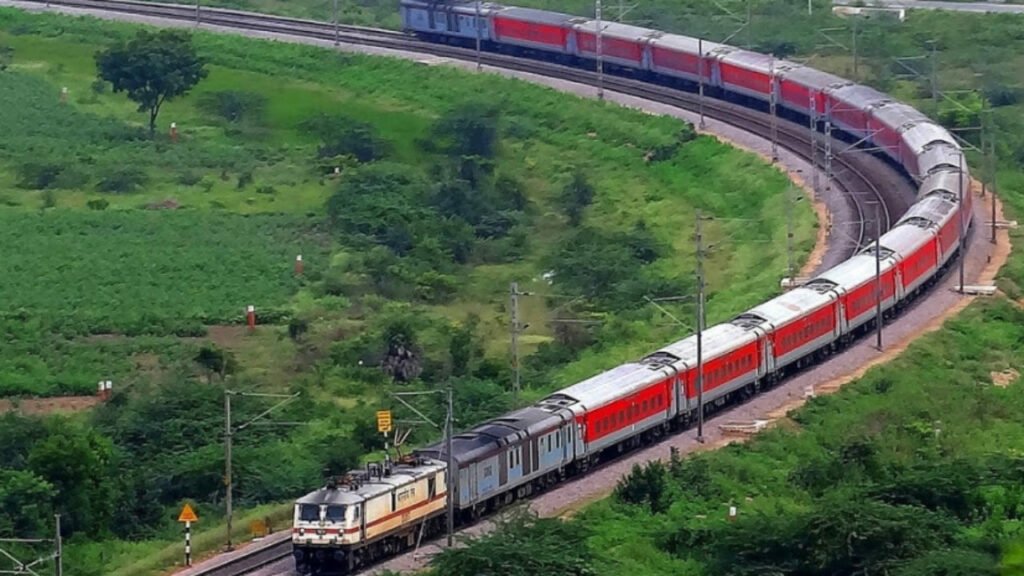
In her Union Budget 2026-27 speech, Finance Minister Nirmala Sitharaman unveiled ambitious plans to expand India’s high-speed rail network by developing seven new corridors connecting key urban and economic centres. These corridors are described as “growth connectors” — designed to promote faster, environmentally sustainable inter-city travel and support long-term economic development. The corridors form a core part of the government’s broader infrastructure push, complementing other capital expenditure increases and transport investments announced in the budget. Markets reacted positively, with railway-related stocks gaining on expectations of increased investments and new opportunities for related industries. What Are the Seven High-Speed Corridors? The proposed high-speed rail (HSR) corridors will connect major cities across regions, reducing travel times and enhancing mobility. According to budget details, the seven corridors include: Mumbai–Pune – linking financial hubs in western India. Pune–Hyderabad – connecting Maharashtra with Telangana’s commercial centre. Hyderabad–Bengaluru – boosting links between tech and business hubs. Hyderabad–Chennai – enhancing connectivity to the southern port city. Chennai–Bengaluru – linking two major southern cities. Delhi–Varanasi – improving north-central corridor travel. Varanasi–Siliguri – expanding high-speed access to eastern and northeastern India. These routes are strategically chosen to stitch together key metropolitan, industrial and cultural centres, creating shorter travel times… Read MoreBusiness Archives – Trak.in – Indian Business of Tech, Mobile & Startups