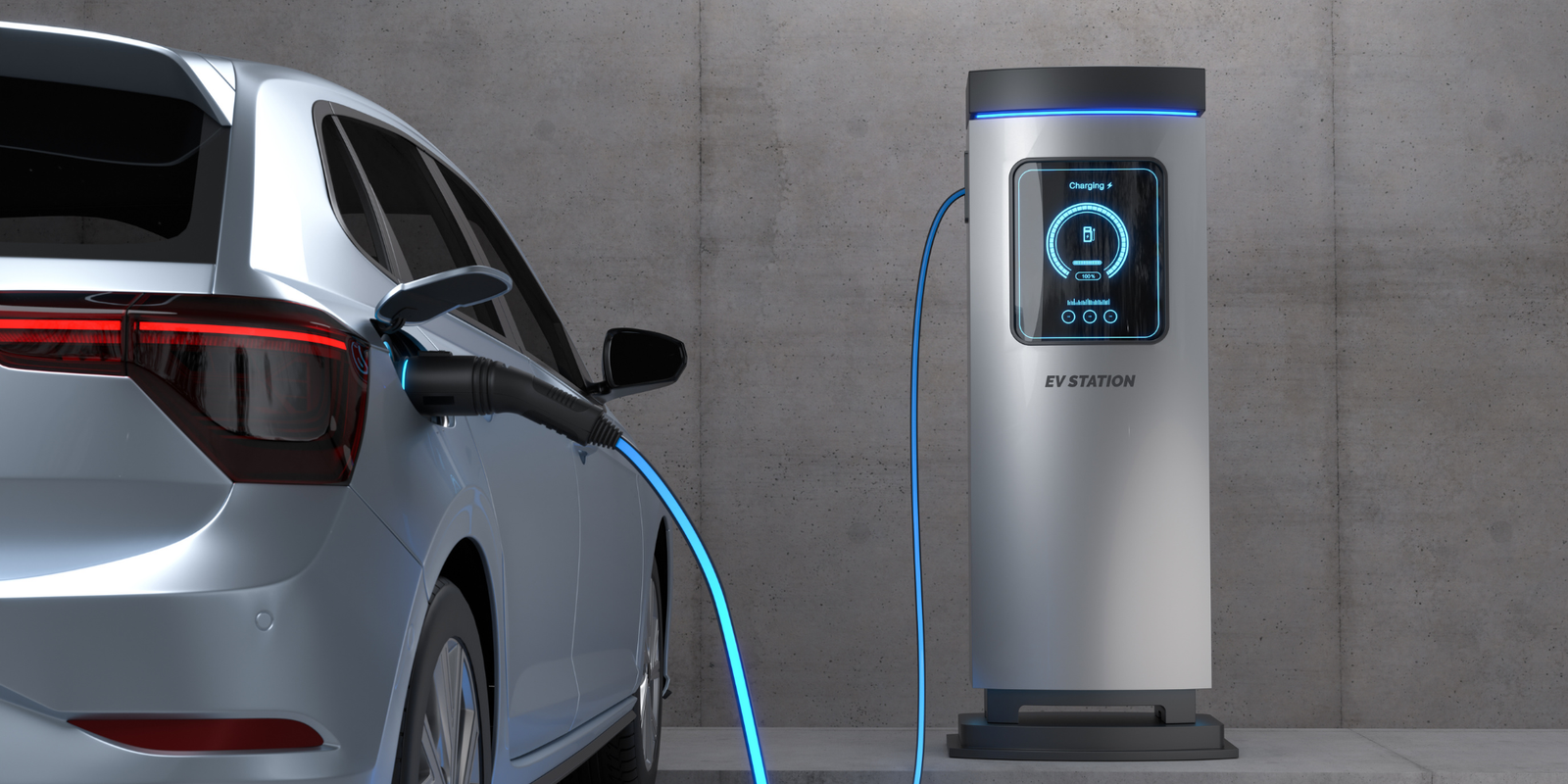
India’s EV revolution looks clean on the streets. It is far messier behind the scenes.Electric vehicles are being sold as the obvious answer to pollution, climate change, and rising fuel costs. Sales are rising fast, charging stations are spreading, and EVs now account for a growing share of two-wheelers and cars on Indian roads. But beneath this success story sits a quieter contradiction. While EVs reduce tailpipe emissions, the batteries that power them are creating a new environmental and economic challenge that India is not prepared for. This article unpacks the EV paradox in India and explains why adoption, at scale, is far more complex than it appears.India’s EV boom hides a growing problemIndia’s EV market is projected to reach 10 million annual vehicle sales by 2030, growing at a CAGR of 49% between 2022 and 2030. EVs can cut tailpipe emissions by 50 to 70% compared to petrol vehicles, making them a powerful climate solution.But by 2030, India is also expected to generate around 600,000 metric tonnes of lithium-ion battery waste every year. Today, the country has formal recycling capacity for only about 30,000 tonnes annually, and less than 5% of battery waste flows through regulated channels. The rest… Read MoreYourStory RSS Feed