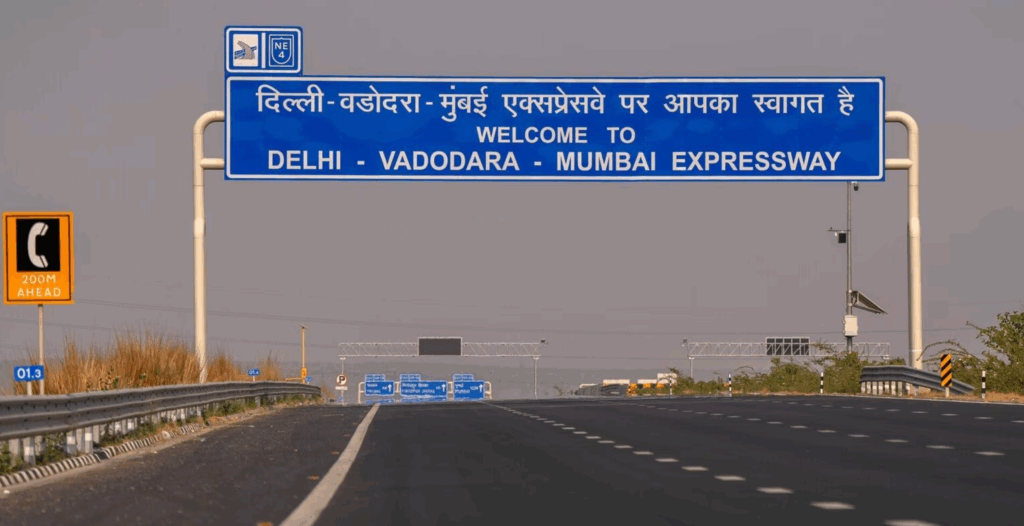
The Delhi-Mumbai Expressway, India’s longest access-controlled road corridor connecting New Delhi and Mumbai, has introduced major toll cuts in 2026. The central government approved a toll reduction of up to 50% on select stretches, especially where construction and widening works are ongoing. This move aims to ease travel costs for motorists while ensuring smoother traffic flow and better logistics connectivity along the route. What Changed in Toll Rates The toll revision applies to parts of the expressway that are still under construction or being expanded from two lanes to four or more. Previously, these sections charged proportionally higher fees compared with standard national highways due to unfinished infrastructure and traffic diversions. Under the new policy: Toll charges previously collected around 60% of the standard rate in some stretches are now reduced to 30%. The reduction provides immediate savings for private cars, commercial vehicles, and freight transport. The revised tolls may remain in effect for up to one year or until the expressway segments are fully operational. This approach not only reduces the financial burden on travellers but also encourages greater use of the corridor despite partial closures and diversions. Why the Reduction Matters The toll cuts hold significance for various… Read MoreBusiness Archives – Trak.in – Indian Business of Tech, Mobile & Startups