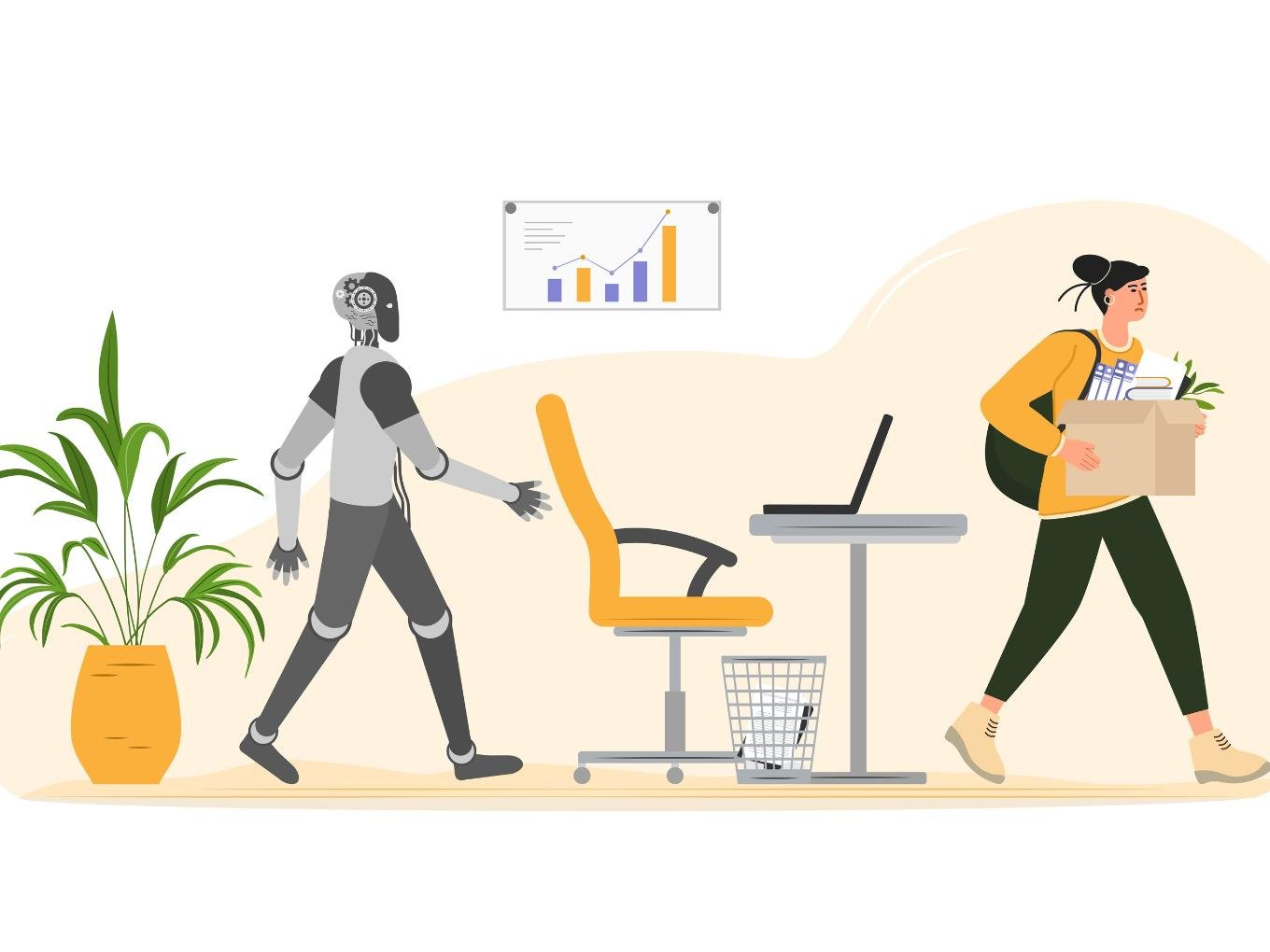
For years, burnout in governance, risk, and compliance roles was treated as an unfortunate side effect of regulatory work. In reality, it was the operating model. Manual evidence collection, repetitive questionnaires, and last-minute audit scrambles weren’t temporary pressures. They were how the function was designed to run. That design shaped the day-to-day reality of compliance teams. A typical week disappeared into gathering evidence, re-uploading the same artefacts for every audit, and responding to nearly identical security questionnaires across customers. Policies had to be tracked, updated, and remapped as requirements changed, all while audit deadlines hovered constantly in the background. The work was less about judgment or risk insight and more about keeping pace with an unforgiving, repetitive checklist. As AI enters this landscape, the central risk for compliance professionals is not being replaced by machines, but being left behind by peers who know how to work with them. Compliance teams are still expected to keep systems “perfect” under scrutiny, even as the volume of controls, vendors, and audits continues to expand. What is changing is not the accountability, but who is able to keep up with it. When The Grind Stopped Being The Job In 2025, that experience began to… Read MoreInc42 Media