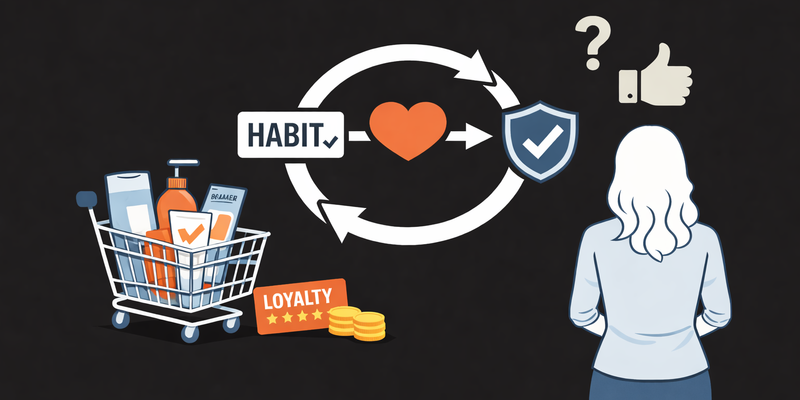
Most purchasing decisions feel rational on the surface. We tell ourselves we chose a product because it was affordable, reliable, or convenient. But when people repeatedly buy the same brand of tea, toothpaste, shoes, or phone, the reasons often go deeper than logic. Habit, emotion, and subtle psychological rewards quietly shape what ends up in our shopping baskets.The comfort of familiarityAt the core of repeat buying is familiarity. The human brain is wired to conserve energy. Every new decision requires mental effort, and familiar choices reduce that load. When a product has worked once, choosing it again feels safe. There is no need to re-evaluate, compare, or take a risk.This is especially true in everyday purchases. The stakes feel low, but the repetition is high. Over time, familiarity turns into a default setting. The brand becomes less of a choice and more of an automatic response.Habit beats active choicePsychologists often describe buying behaviour as habit-driven rather than decision-driven. Once a routine is established, the brain shifts control from conscious thinking to automatic behaviour. This is why people often reach for the same item without actively noticing it.Habit loops follow a simple pattern: cue, routine, reward. The cue might be running… Read MoreYourStory RSS Feed